What You’re Actually Buying When You Book Corporate Event Catering in The Bay Area


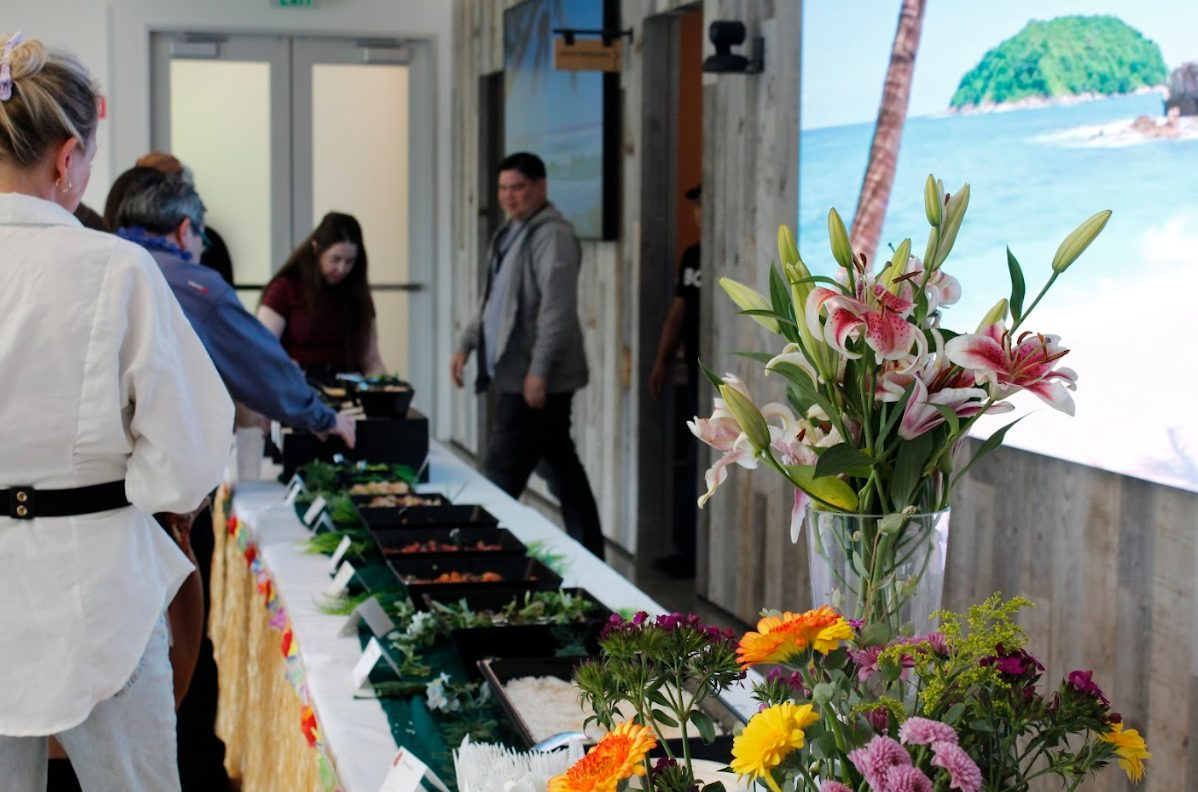
The question isn’t whether the food will be good. The question is whether the caterer has ever run a 120-person event in a building they’ve never set foot in.
What Large-Scale Corporate Catering Actually Requires
Good corporate event catering in San Francisco means a vendor who can operate independently. They’ve confirmed the service elevator dimensions, identified the loading dock cutoff, and coordinated with your venue’s facilities team before the day arrives, not during setup. At scale, dietary accommodation matters less as a list of options and more as a system: labels applied at the kitchen rather than improvised at the table.
For San Francisco events, Superfine Kitchen serves groups up to 2,000 people across FiDi, SoMa, and Mission Bay, with vegan, gluten-free, halal, and keto options available at no surcharge and labeled at the kitchen during prep. Pricing runs $14.50–$23 per person. Superfine is SF Green Business certified, bills on Net-30 terms, and requires no long-term contract. Coverage extends across the Bay Area to Oakland, Berkeley, the Peninsula, San Mateo, Redwood City, and Daly City.
Why Venue Coordination Needs to Start Early
Imagine 120 people are coming to your event. Half of them may be meeting each other for the first time. The event has a catering line, a speaker setup, and probably a decor vendor whose access window conflicts with the caterer’s delivery window by exactly forty-five minutes.
This isn’t a hypothetical. It’s what happens when three vendors share a loading dock and none of them has met the building’s facilities manager.
The caterer who has done this before knows which questions to ask first, and they aren’t about what time service begins. They’re about what time the building closes the freight entrance, and what happens if a vendor arrives after that.
Five Questions to Ask Before Booking a Caterer
A 120-person corporate event (an all-hands, a conference, a team off-site) is a different logistical class than a 30-person office lunch. At 30 people, a late delivery causes a short delay. At 120, it means 40 people standing in a lobby while the general session waits and the AV team holds on a slide.
Here are the questions worth asking any caterer before you book.
Have you served at this venue, or one with a similar loading situation? A caterer who has worked in FiDi buildings knows that some properties limit vendor access to narrow morning windows. A caterer who hasn’t will find that out the morning of, when it’s too late to keep service on schedule. Buildings across San Francisco and the wider Bay Area each set their own rules for vendor access, so these details matter. Superfine Kitchen builds asking for them into its routine.
Who manages logistics on the day of, you or an assigned coordinator? The answer tells you where accountability sits when something doesn’t go as planned.
How are dietary restrictions handled? The answer you want is that they’re labeled at the kitchen. Labels applied during delivery by someone reading a spreadsheet in a hallway are a different system than labels applied during prep. One of them scales to 120 people. The other produces a table of unlabeled trays and one person trying to remember which one is vegan. More than 20% of adults and children alter their diets for perceived food reactions, a far larger share than have a clinically confirmed allergy. For an event, that gap doesn’t matter: a guest avoiding gluten or dairy needs the same labeled option whether the reason is a diagnosis or a preference. It also shapes format, since individually packaged meals keep each guest’s requirements sealed and labeled, while family-style service moves that labeling to a clearly marked buffet. Superfine Kitchen has built that into its model.
What is your cancellation or change window, and what happens if the headcount shifts? Six weeks feels like a long runway until the event is three weeks out and you’ve added 15 people or lost 20.
What does setup look like, and what do you need from us? The answer is either a short, specific list or a longer, vaguer one, and either way, it tells you what kind of service you’re dealing with.
Which Type of Caterer Does Your Event Need?
Corporate catering services aren’t interchangeable. Event catering at this scale rewards vendors who have built their model around it, and not every caterer has. Some who do excellent office lunch delivery (consistent, reliable, well-suited to recurring 30-person orders) haven’t built the coordination infrastructure for a one-day, 120-person event with multiple vendors and a venue they’ve never seen.
If you’re planning a recurring lunch program and a single large event, you may be looking at two different vendors. That isn’t a failure of research. It’s the honest shape of the market.
So the first question to ask yourself is whether this is a one-time event, a recurring program, or both. The answer changes which kind of caterer you’re looking for.
Broadly, three models compete for a large corporate event, and each is built around a different priority:
| What you’re weighing | Direct-kitchen caterer (e.g., Superfine) | Catering marketplace / aggregator | Full-service event caterer |
|---|---|---|---|
| Menu variety | A focused in-house menu built to hold up at volume | Widest range, drawn from many restaurants and cuisines | Custom menus built per event |
| Dietary handling at scale | Labeled at the kitchen during prep; consistent whether it’s 30 people or 2,000 | Varies by each partner restaurant; handled downstream | Usually strong; confirm who labels and when |
| Day-of venue coordination | One point of contact who confirms delivery and setup ahead of time | Thinner; you juggle multiple deliveries | On-site coordinator or captain for complex productions |
| Accountability if something breaks | One kitchen, one chain, end to end | Spread across partners; harder to trace | One contracted team |
| On-site staffed service (servers, bar, plated) | Built around drop-off plus setup rather than floor staff | Generally delivery only | Core strength: servers, bar, plated meals |
| Typical cost per head | $14.50–$23, with dietary options available at no surcharge | Low to moderate, though platform and delivery fees add up | Highest: staffing, rentals, and service charges |
| Contracts & lead time | Net-30, no long-term contract, quick to book | Usually no contract; fast to book | Contracts and deposits standard; longest lead time |
| Best fit | Mid-to-large drop-off events with mixed dietary needs and a venue that has to be coordinated | Menu variety, plus frequent smaller or multi-office orders | Formal, plated, or high-touch events where on-site staff justify the cost |
None of these is the “best” caterer in the abstract. The right one is the model that matches the event you’re actually running, which is why the loading dock, the headcount, and the dietary breakdown come before the menu.
What to Prepare Before Requesting a Quote
- Your venue’s loading dock or service entrance policy: hours, size restrictions, and coordinator contact.
- Your headcount with a realistic variance: not “120,” but “between 105 and 135.”
- Your dietary breakdown. Not necessarily precise counts, but whether any one restriction is common enough to need handling at scale.
- Your service window: when catering needs to be fully set, not when the event starts.
- Whether you need staffed service, drop-off catering, or something in between.
A caterer who asks for all five before quoting is doing the job you need. A caterer who hands you a final quote without clarifying these details is pricing the food, not the event.
Corporate Event Catering FAQs
How far in advance do I need to book corporate event catering in San Francisco?
For a first-time event at 120 people, six weeks is workable. The constraint isn’t the caterer’s availability; it’s the time required to confirm venue logistics, finalize headcount, and coordinate dietary needs accurately. Events that go wrong usually had the catering booked early and the venue coordination handled late. If your venue has restricted delivery windows or shared loading docks, confirm that first, then book the caterer. Without those details, you’re booking a menu, not an operation.
What should I expect to pay for corporate event catering in San Francisco?
Per-person pricing for drop-off catering for corporate events typically runs $14–$25, depending on menu, service format, and whether staffing is included. Staffed service adds cost. For a 120-person event, Superfine Kitchen’s pricing runs $14.50–$23 per person, with dietary accommodations (vegan, gluten-free, halal, keto) available at no surcharge. Ask for itemized quotes that separate food, setup, and staffing. Bundled pricing makes it harder to compare vendors accurately.
How do caterers handle dietary restrictions at event scale?
It comes down to when the label is applied. At the kitchen during prep, it travels with the tray and holds at any size. Left to on-site staff, it depends on someone having the right information in the moment, which is how trays go unlabeled and attendees end up with nothing to eat. Ask any caterer where labels are applied, and by whom.
Do I need a contract for a single corporate event?
Some vendors require contracts; others don’t. A contract mainly protects both parties on cancellation and change policies, which matter more for large events than small ones. If a vendor doesn’t require one, those protections don’t disappear; they just have to be handled in writing rather than in a signed agreement. Superfine Kitchen offers Net-30 billing without requiring a long-term contract, so for a single event, confirm the final scope, cancellation policy, headcount deadline, and service responsibilities in writing before you commit.
Does it matter whether the caterer has served my specific venue before?
This matters more than most buyers expect. A caterer who has served your building knows the freight situation and the facilities team. A caterer who hasn’t, but who regularly operates in your neighborhood and asks the right questions during booking, can get the same information needed to run the event smoothly. The real indicator isn’t prior experience with your exact address. It’s whether the caterer asks about your building’s logistics before you bring it up, rather than discovering them at delivery, when it’s too late.
How Superfine Kitchen Handles Corporate Events
Superfine Kitchen runs a direct kitchen model. Food is prepared in their own facility and delivered to your site with setup complete before service begins, rather than aggregated across restaurant partners or routed through third-party networks. Vegan, gluten-free, halal, and keto options are available at no surcharge and labeled at the kitchen during prep, and that process is the same whether it’s 30 people or 2,000.
Superfine serves San Francisco (FiDi, SoMa, Mission Bay), Oakland, Berkeley, Daly City, San Mateo, Redwood City, Palo Alto, and the broader Peninsula. It’s SF Green Business certified: the kitchen meets San Francisco’s environmental standards for waste, water, and energy, which matters for teams that track vendor sustainability. It also bills on Net-30 terms, with no long-term contract required. For corporate events specifically, the direct model removes one of the coordination layers that can contribute to event-day failures: the food arrives from one kitchen, under one accountability chain, with one point of contact.
Choose a Caterer With Clear Responsibilities
The vendor who makes a 120-person event feel manageable isn’t necessarily the one with the best menu or the lowest per-person price. It’s the one who, when you describe your loading dock, your dietary breakdown, and your service window, tells you exactly what they need from you and what they’ll handle themselves.
That division of labor (stated clearly, before anything is signed) is what a well-run event actually looks like from six weeks out.